Project Motor Racing: I Can't Believe I Paid $100 for This
By
Nic Green
on
December 3, 2025
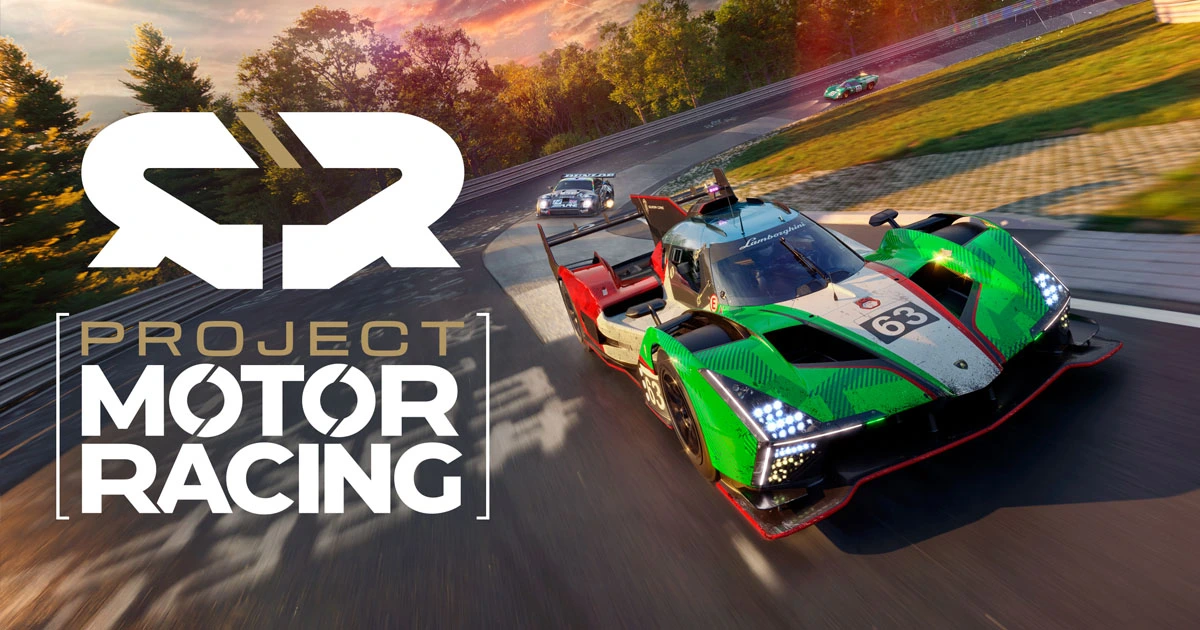
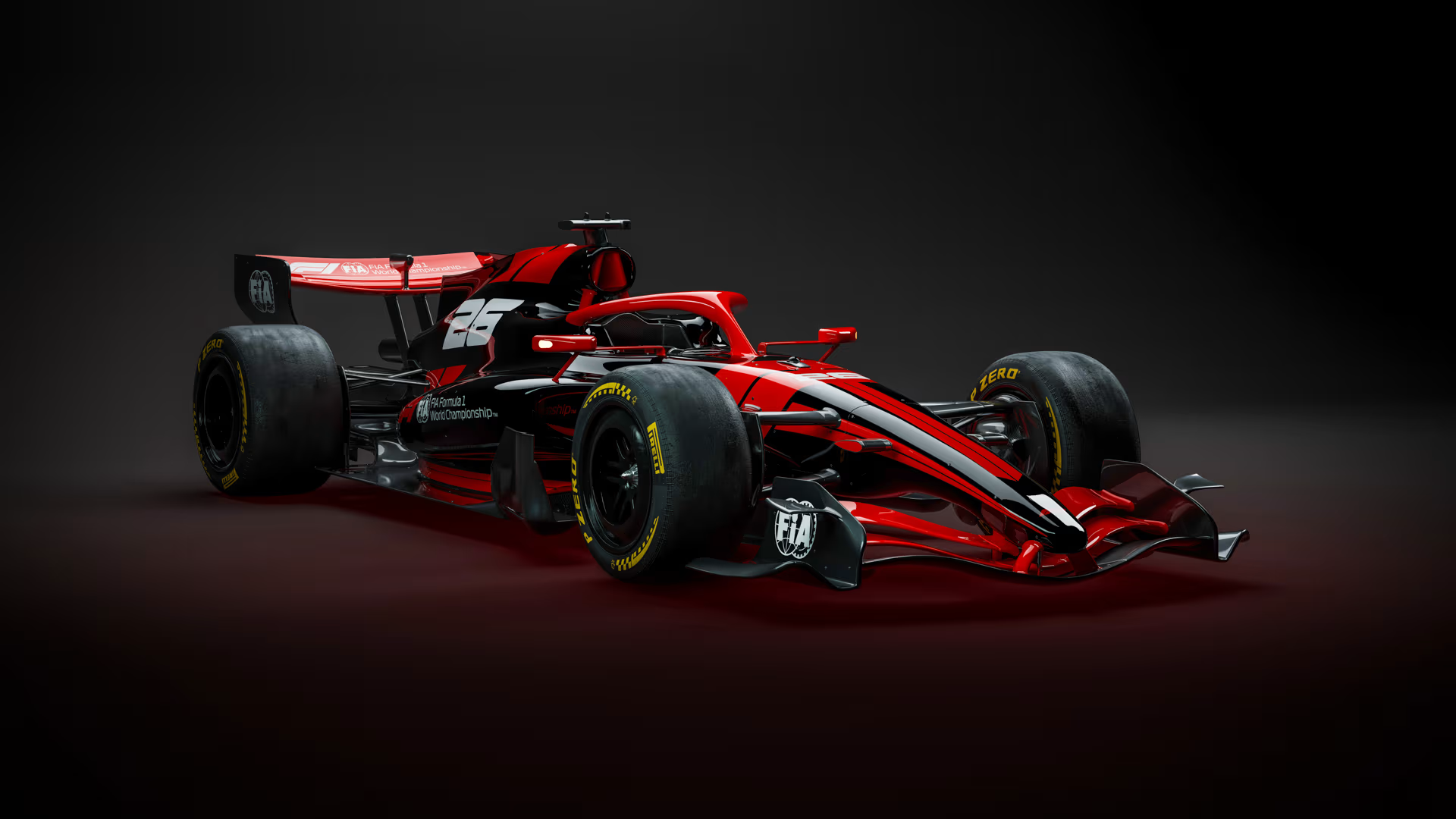
Project Motor Racing had a lot of hype before its release. Credit: Project Motor Racing
Not long ago, I published an article looking ahead at the upcoming sim racing title, Project Motor Racing. It was hugely hyped, with an impressive list of cars and car classes for sim racers to drive. Well, now it's finally out, so I'm here to give you the full rundown on the good, the bad, and the plain ridiculous.
What's Good About Project Motor Racing?
Project Motor Racing is clearly a game that has had a lot of thought gone into it and has had rounds of development to determine the best user experience.
The colour scheme, fonts, and user interface are very aesthetically pleasing. The menus that guide you around the game are easy to use and labelled well, so you're never confused as to where to find a certain setting or game mode. Mapping buttons on your wheel is intuitive and perhaps even easier than in other sims, such as iRacing, with a simple, scrollable menu with all options listed. Conflicting button maps will alert you in flashing red and buttons are easily unbound with a single click. The display and graphics settings are similarly easy to navigate and use, though with not as many options as other sims.
It's refreshing to use a simulator with such quick loading times. It took only a matter of seconds between being in the menu and being in the simulator and even quicker to head back to the menu again. The up to date graphics and game engines are to be praised for this performance, allowing users to have more time in the car and less time staring at loading screens.
Once you're in the simulator, the menus are similarly well thought out as the game menus. Cockpit camera and driver position settings are easily found in the Cockpit menu and easily changed to your desired view with a few clicks. Inside the car, the default head up display (HUD) is really nice. It features the same navy and gold colour scheme as the menus and provides a good range of information with the default setting, such as the race standings, current gear, speed and revs, shift lights, a track map, and tyre temperatures and pressures. The visual display shows colour changes for tyre and brake temperatures, which is a great touch.
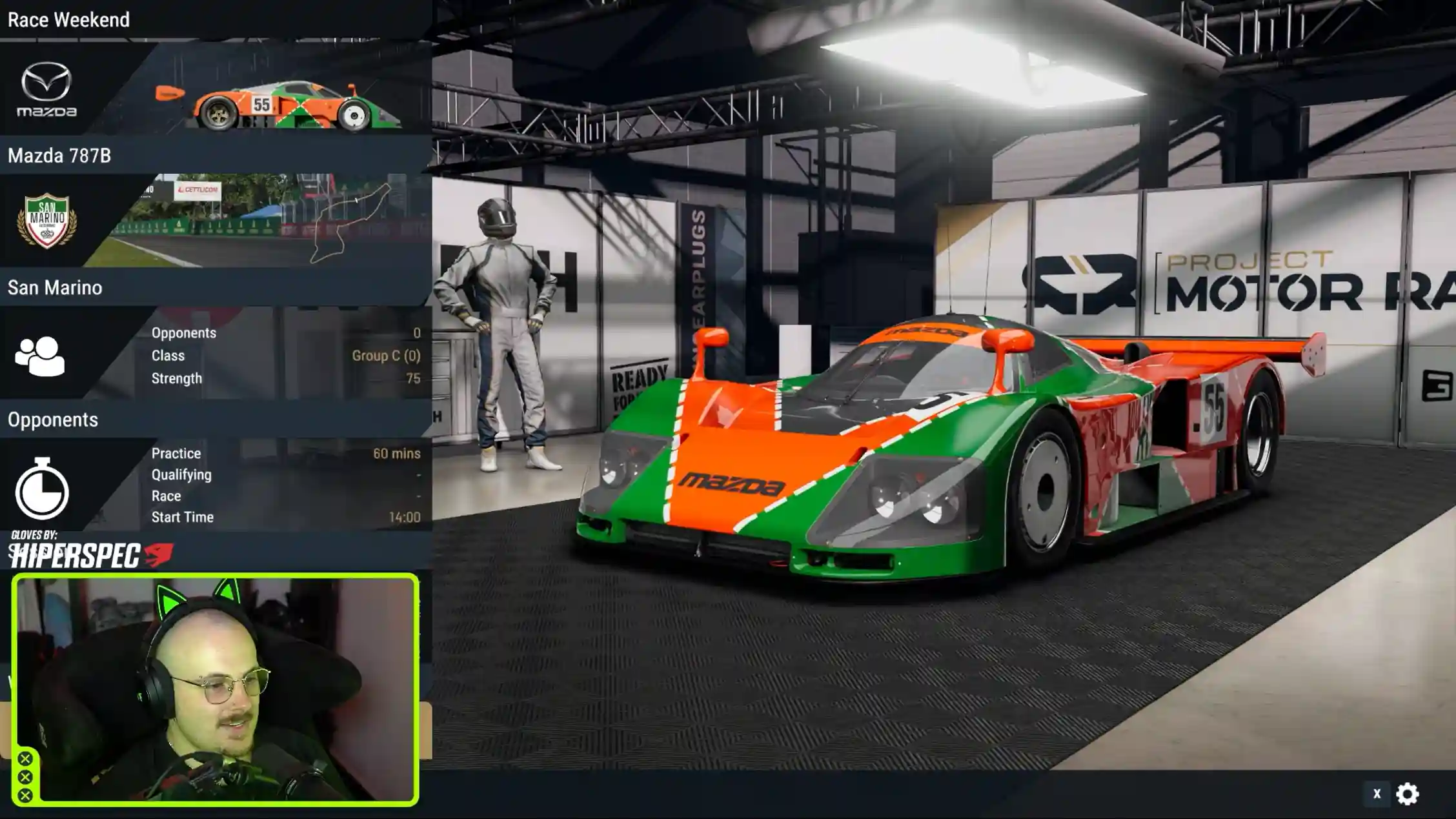
The menus inside PMR are aesthetically pleasing and have clearly been well thought out.
iRacing does not feature this information primarily as an anti cheat measure to prevent third party apps altering settings dynamically as tyre and brake temps update. However, for those of us not looking to cheat, it is a crucial and very useful piece of information to have on your display when out on track, helping you understand how these temperatures and pressures correlate and change the feel of the car.
Speaking of tyre temperatures, the cold tyre performance was relatively good. There was not a whole lot of feel, but the way the car slides and gets loose resembles how it would perform in the real world. If you're driving sensibly for the conditions and aren't too aggressive with your inputs, it is also easy to catch the car when it slides on cold tyres. This is much easier than it is on iRacing, where the car often snaps uncontrollably or beyond the point of recovery.
The sound work in PMR is impressive. The music in menus makes it feel a little gamey, like Gran Turismo or FIFA, but that is more of an observation than an issue. The in car sounds are strong and reminded me of Assetto Corsa Competizione, where you get a lot of cockpit sounds on top of the engine noises. You hear bits of metal clashing together, bumps rumbling through the cockpit, and mechanical whining and whirring. It gives PMR a sense of realism through sound and makes the environment more dynamic than in iRacing but similar to ACC.
The in car graphics are also impressive. My settings defaulted to Ultra, thanks to my PC's Ryzen 9800x3D and RTX 5070Ti, and it really showed. There is a fine line between making graphics realistic and making them over the top. Gran Turismo 7, for example, is hyper realistic to the point where colours, reflections, and lighting start to feel exaggerated rather than authentic. iRacing is far more flat and its graphics engine clearly needs an update, but that slightly less polished look often appears more true to life.
For me, Project Motor Racing's in car look sits perfectly between these two, in a similar realm to Le Mans Ultimate. The colours, light, and details are impressive without pushing the boundaries too far, and the sense of depth and speed in the car is good.
The replay graphics are more hit and miss. I do not think they are as bad as some reviews suggest, but for Ultra settings, they did not wow me and looked closer to standard settings. The camera angles were also too game like, with none representing TV broadcast angles like you find in iRacing. The exterior angles felt more like a video game replay than something suitable for broadcasting or eSports.
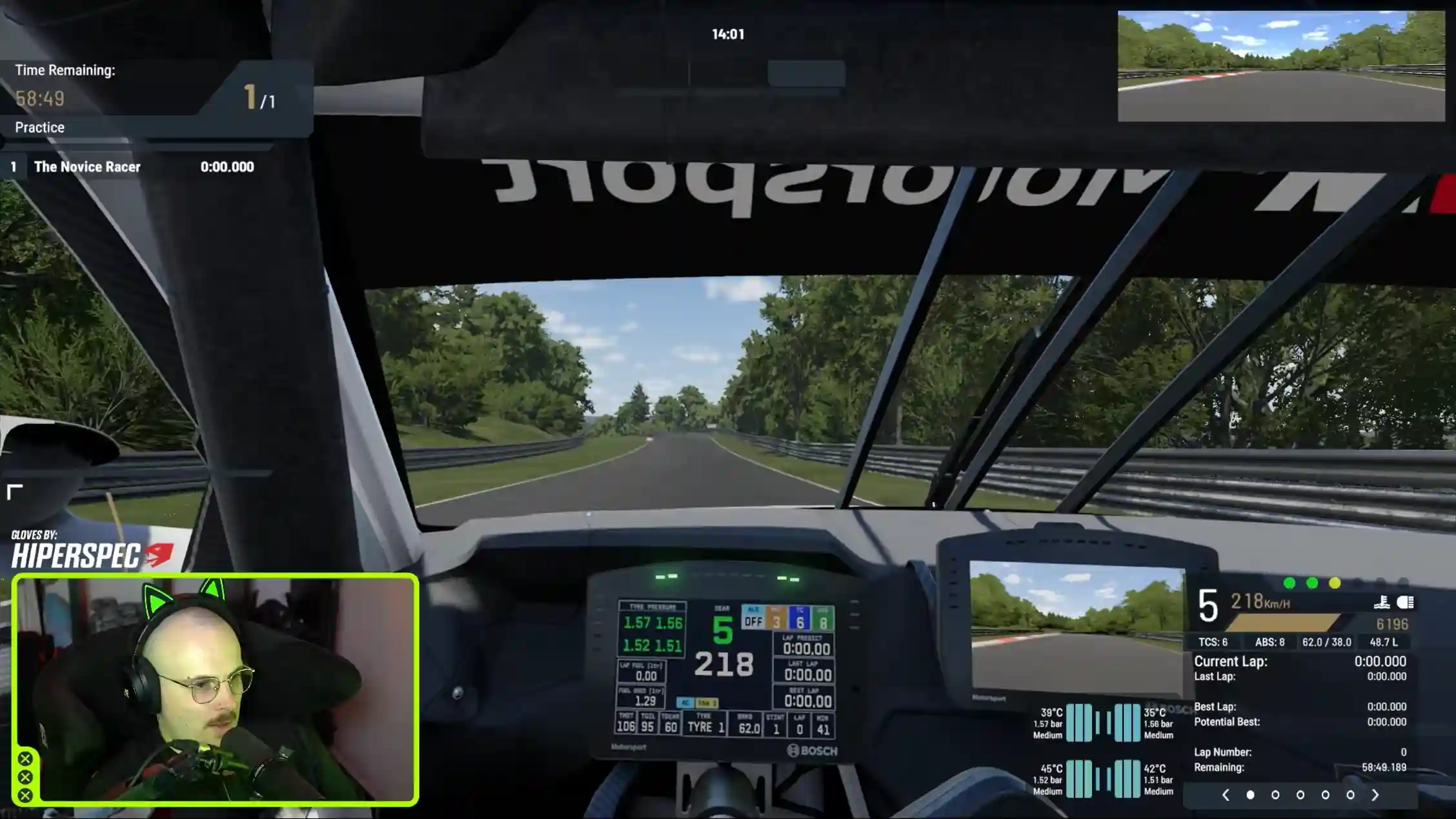
Project Motor Racing's force feedback and braking performance leaves users feeling empty.
Why is Project Motor Racing So Bad?
Given the title of this article, that seems like a pretty long list of positives, right? Here is where everything falls down.
In my preview article, I said that Project Motor Racing would have to nail the fundamentals in order to compete with the established sim racing titles in the market. Unfortunately, this is PMR's weakest point and it fails to live up to expectations in so many aspects.
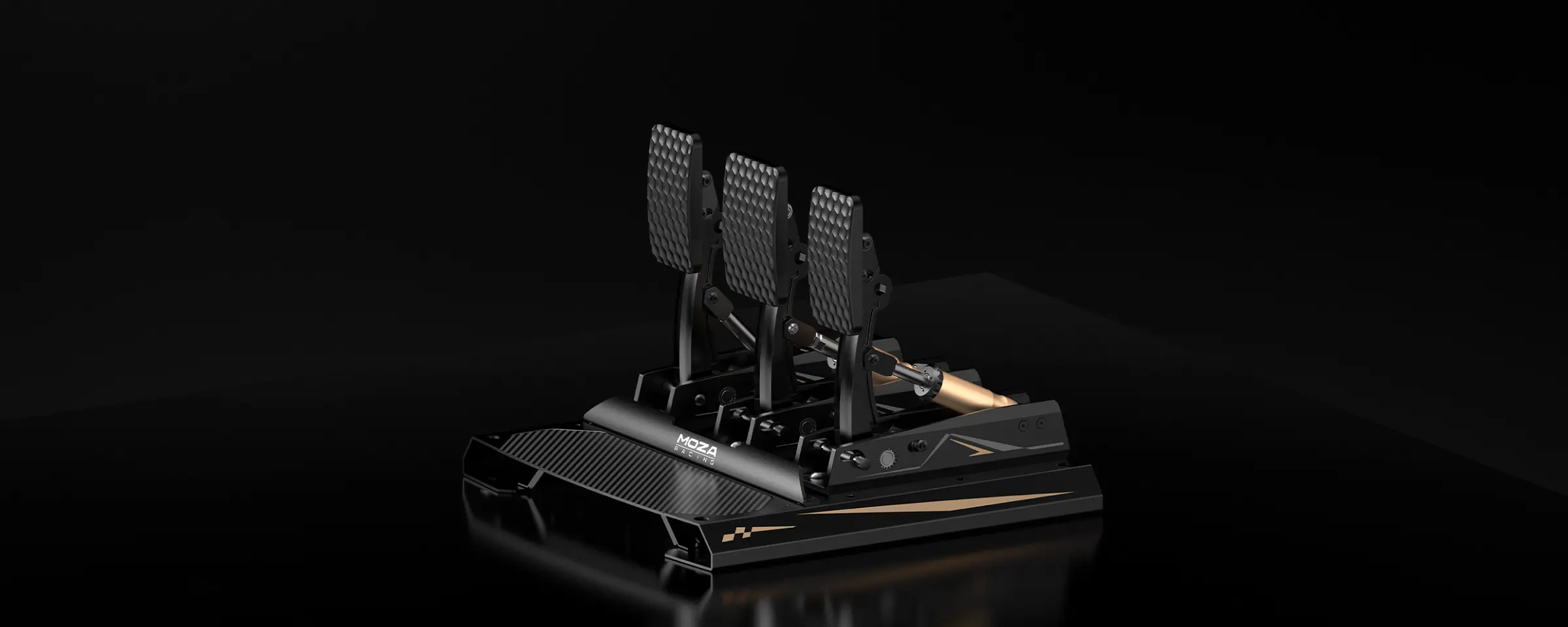
The force feedback felt completely lifeless throughout my testing, even after maxing out the settings. For context, I was testing on a MOZA R12, which is a 12Nm wheelbase. Over curbs and significant bumps, such as anti cut curbs, the force feedback felt okay, but throughout the corners it would go numb. This eliminates the feeling of the car and does not allow you to push the limits. Without feeling the characteristics of the car mid corner, the driver cannot make micro adjustments or predict movement. This is crucial for finding the limit of grip and pushing for faster and more consistent lap times, which feels impossible in PMR.
As well as shaking down the BMW M4 GT3 at the Nordschleife, I tested the Mazda 787B, a 1990s Le Mans winner that should be one of the great driving experiences. With huge power, limited downforce compared to modern cars, and no power steering, it should feel like a war for survival. Instead, it was lifeless, limp, and boring. The steering provided no feedback anywhere in the corner and was lighter than my real life road car. It was easy, which is the last word that car should ever be described with.
By far the most disappointing aspect of Project Motor Racing is the braking performance. The brakes in all four car classes I tested felt almost non existent. Pressing the brake pedal provided no change in the car characteristics and you had to rely entirely on visual cues to know the car was slowing. This makes brake modulation during trail braking impossible, as there is no response in grip or perception of weight transfer.
For a game that claims to have an array of real life professional drivers giving feedback, the on track physics are abysmal. I cannot imagine any of those drivers using iRacing or ACC, then testing PMR, and believing they belong in the same universe, let alone that PMR is more realistic.
Unfinished Business
The kindest thing I can say about Project Motor Racing is that it is not quite finished yet. There are lots of promising aspects to this game and you can see elements of polish, but the fundamentals that make a racing simulator are missing or broken.
I do not think the game should ever have been released in this state. It is clearly not ready. By releasing now, the game has gained such an awful reputation that it may be impossible to come back from, even if the physics are fixed. That does not mean they shouldn't try though, and I hope to see noticeable updates and improvements over the coming weeks.
.webp)


0 Comments