Why the 2026 Formula 1 Cars Look Like a Huge Step Forward
By
Nic Green
on
January 2, 2026
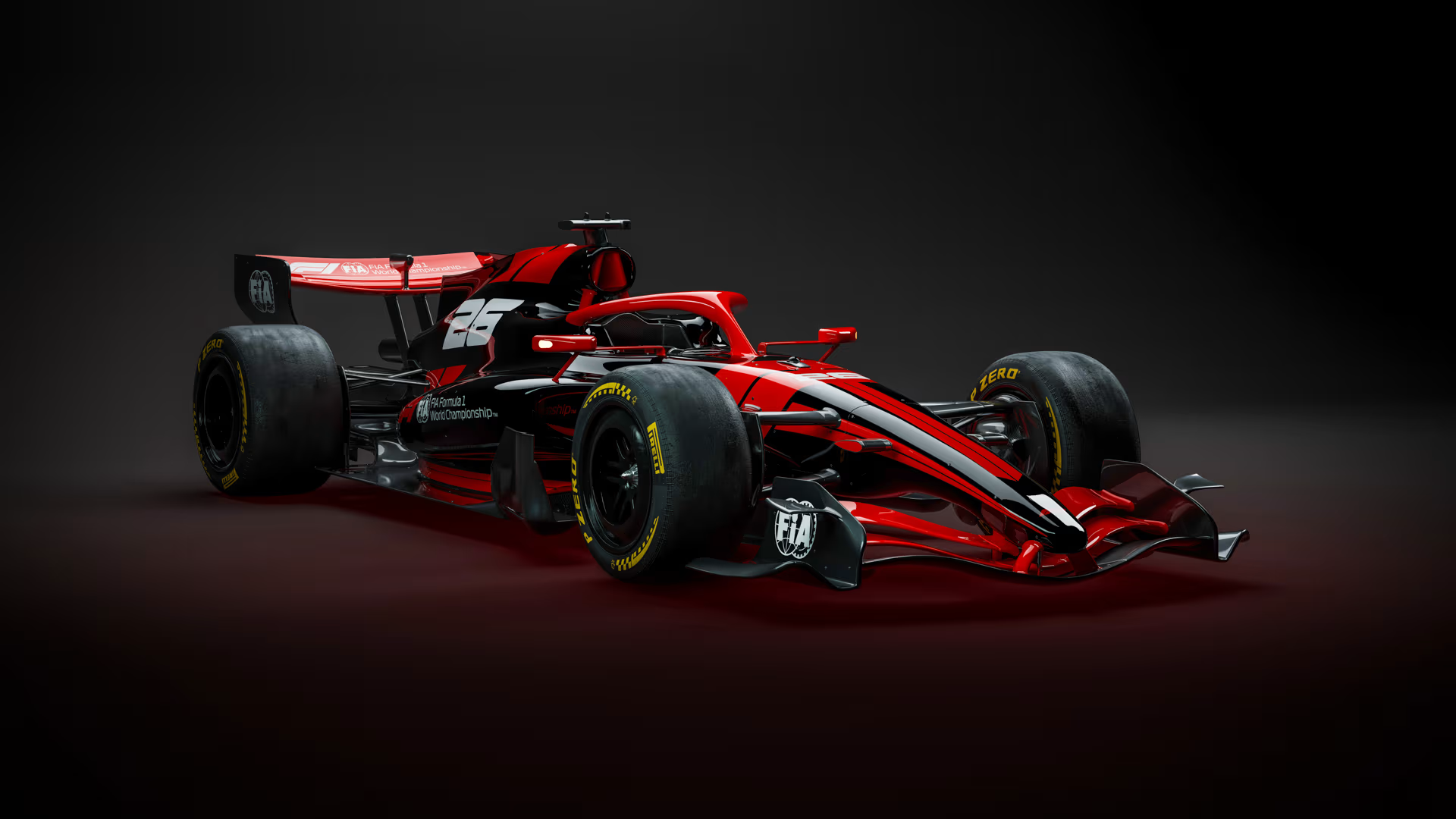
The new-era Formula 1 cars shown in the concept 2026 livery and design in the renders released by F1 and the FIA. Credit: F1
Since the original renders of the new Formula 1 cars for 2026 were released, the FIA have been in discussions with F1 and the teams to refine the regulations and finalise the last few details before we go racing for the first time in Melbourne.
Now, F1 and the FIA have released a new set of renders showing what Formula 1 cars in 2026 will look like based on the upcoming regulation changes. Of course, each team has been doing its own development since January, when it was permitted to begin, so every design will have elements that differ from the FIA’s renders. However, these images give us a strong indication of the overall shape and the general design language we’re likely to see across the grid.
What’s Changed?
I was never a fan of the way the current generation of ground-effect era cars looked. They’ve grown on me over time, but I always felt they looked too much like a spaceship - too many curves in strange places, too big, too round. For me, this is the first area where the 2026 regulations are a clear step forward.
The cars retain a broadly similar profile through the middle, particularly around the cockpit and sidepods, but the front and rear have shifted back towards a more conventional look. The entire car is shorter, narrower, and lighter, with narrower tyres on both the front and rear axles.
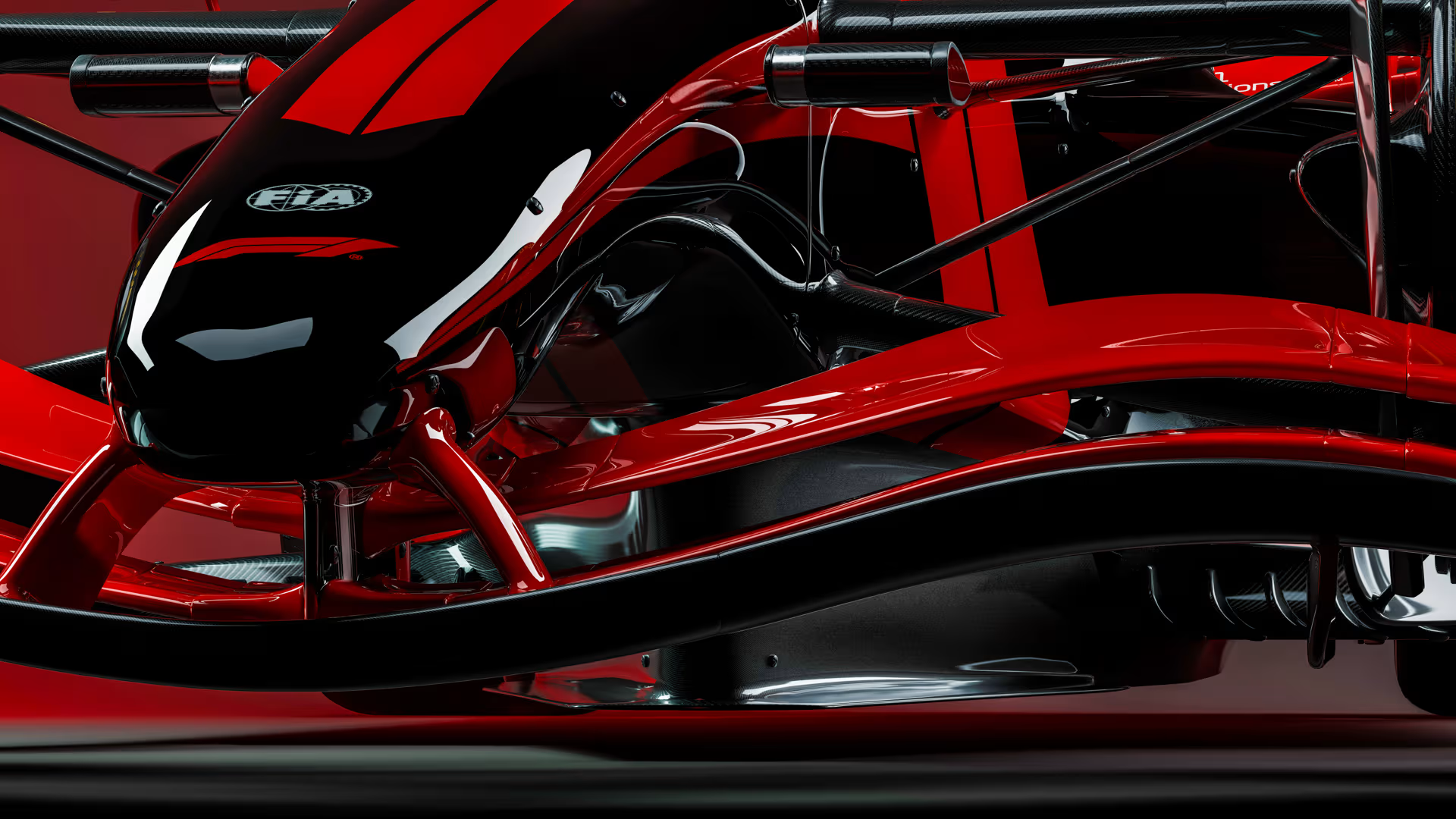
Front wings reminiscent of the early 2000's feature on the 2026 F1 cars. Credit: F1
The front wing is now much narrower, with the main planes ending around the inside of the front tyres and more complex endplates filling the remaining space. The nose is also slightly raised, connecting to the wing via two supports underneath. The overall design strongly resembles Formula 1 cars from around 2004, which will be exciting for fans, given those were some of the best-looking cars the sport has ever produced.
The rear wing receives a similarly retro-inspired redesign, albeit less dramatic than the front. It returns to a more traditional squared-off shape with endplates, replacing the curved design used from 2022 to 2025. The lower beam wing has been removed entirely as part of the FIA’s effort to simplify the cars and reduce overall downforce.
Both the front and rear wings will now feature active aerodynamics. These are moveable elements controlled by the driver via a button on the steering wheel, similar to the Drag Reduction System (DRS) that has been in use since 2011. The key difference is that active aero will be available to every driver, on every lap, in designated straight-line sections. This significantly reduces drag, lowering fuel consumption and increasing top speeds, which in turn lengthens braking zones and may create more overtaking opportunities.
In side profile, the 2026 cars look very similar to the current generation, particularly around the cockpit, sidepods, and Coke bottle area. It remains to be seen whether teams will evolve their 2025 sidepod concepts or be forced into entirely new philosophies. While the shapes appear familiar, the performance package has changed substantially, with a much smaller proportion of downforce coming from the floor and a new set of aerodynamic priorities.
My personal curiosity is whether any team will attempt to revisit Mercedes’ failed “zero sidepod” concept from 2022 and 2023. On paper, the numbers were reportedly exceptional, but the underfloor performance and mechanical platform never allowed the idea to work in practice. With the new aero regulations placing less emphasis on floor-generated downforce, could this concept make a return?
The power units will now feature an almost 50/50 split between internal combustion and battery power. On the surface, this sounds like another step towards full electrification, but in reality it’s quite the opposite. While battery contribution is higher than ever, the combustion engine will, for the first time, run entirely on fully sustainable fuel.
This is a major breakthrough for the automotive industry. These fuels are created by capturing carbon already present in the atmosphere and combining it with hydrogen extracted from water. While the fuel still emits carbon when burned, it is net-zero overall, as the same amount of carbon is removed from the atmosphere during production.
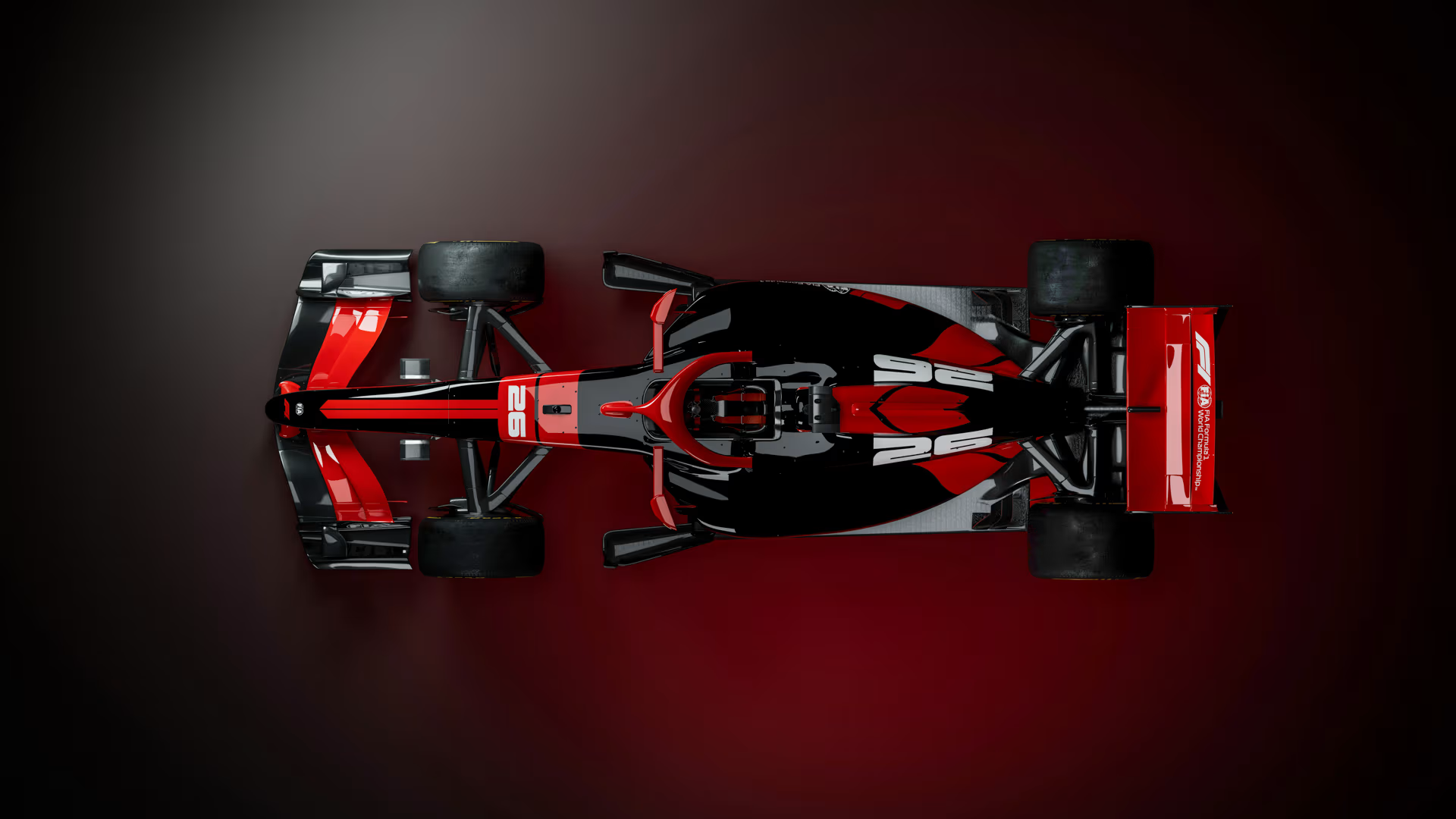
The 2026 cars are some of the best looking in the modern era. Credit: F1
This development opens the door to the potential return of larger engines, such as V8s or even V10s, bringing back the sound of Formula 1 that fans have been longing for. If these engines can operate sustainably, their return is a realistic possibility in the future.
That said, Honda recently released a short soundtrack on Instagram showcasing the sound of its 2026 engine, and it’s genuinely beautiful. The V6 turbo-hybrid engines have long received criticism, but over the past 12 years they’ve evolved into highly sophisticated power units. While they may not match the raw noise of the past, they produce a distinctive and complex sound, with each manufacturer having its own character. Honda’s, for example, burbles and gurgles on downshifts in a way that is genuinely special.
Overall, I think the 2026 cars are aesthetically miles ahead of the current generation. While there is understandable scepticism, I can see the FIA’s vision, and I’m willing to be optimistic about the racing until proven otherwise.
What Do the New Renders Show?
The renders, released by Formula 1 across social media, showcase the final 2026 concept car. They represent what the FIA expects the cars to look like when they arrive in Melbourne for the opening race of the 2026 season.
These renders are built strictly around the new regulations, without any of the detailed aerodynamic solutions or technical innovations that teams will inevitably develop themselves. They are intended to show the baseline shape and proportions within the regulatory framework, rather than a finished racing car.
The livery is a clean black-and-red design, far more visually appealing than the colour-shifting pearl finish used on the 2022 concept car. The number “26” appears in white on the engine cover and nose, with FIA branding on the sidepods, nose, and rear wing.
Looking at this new concept car, it’s hard not to feel excited about Formula 1’s future. In my opinion, these are the best-looking F1 cars in years, possibly since the early 2000s. Whether the on-track performance lives up to the visual promise remains to be seen, but that judgment can only be made once we finally see these cars racing in Melbourne and beyond.
.webp)


0 Comments